Briefcase vs Backpack for Airports – Which Is Less Stressful When You’re Sprinting?
Anyone who’s rushed through an airport terminal, eyes frantically scanning departure boards, knows that the right gear can make or break your travel experience. When it comes to the perennial debate of briefcase vs backpack in a business airport commute, the choice isn’t just about style or capacity—it’s about agility, comfort, and survival on those unexpected sprints to the gate.
In this article, we’re going under the hood: analysing bag archetypes by travel scenario, materials and durability stats that truly matter, and dissecting the balance between weight, comfort and perceived load. We’ll also parse real packing outcomes and capacity, cutting through the marketing fluff you’ll find elsewhere. Naturally, we’ll reference some standout brands like Revfine.com and Von Baer. For those curious about materials science, there’s an interesting study on applied polymer science, shedding light on the durability of advanced fabrics in luggage. Plus, we’ll touch upon insights found via LinkedIn and X (formerly Twitter) chatter around airport travel woes.
Choosing Your Bag Archetype by Travel Scenario
There’s a big difference between a leisurely check-in and an urgent business hop where a sprint isn’t just possible, but guaranteed. Understanding the nuances of your commute is crucial. Let’s break down the archetypes.
Briefcase – The Classic Professional
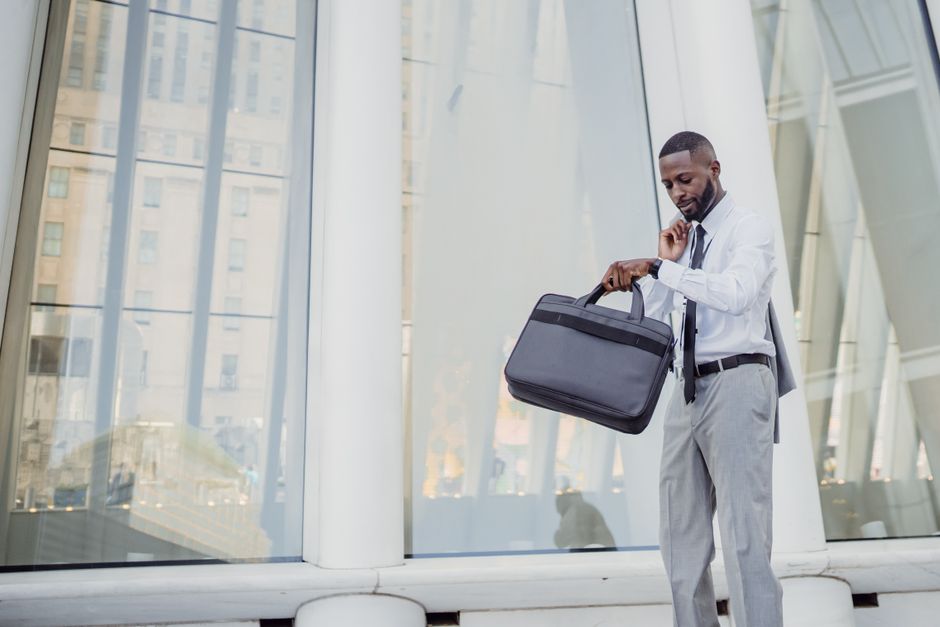
The briefcase is synonymous with the traditional business traveller. Slim, streamlined, and easily accessed, it screams ‘quick meeting ready’. You can grab your laptop, documents, and essentials swiftly. However:
- Mobility: Carrying a briefcase means one hand is engaged, limiting your ability to manoeuvre quickly, especially when dodging crowds or dragging additional luggage.
- Weight distribution: The load sits on one side, often leading to shoulder fatigue and imbalance during sprints.
- Storage capacity: Typically limited to around 10-15 litres, mostly flat compartments.
Brands like Von Baer have refined the briefcase concept with features like detachable straps and durable closures, but the fundamental challenge remains — it’s not the ideal sprint companion.
Backpack – The Hands-Free Workhorse
The backpack’s hands-free utility is a major Discover more draw during airport commutes. Modern business backpacks combine sleek aesthetics with functionality, and here’s why:
- Weight distribution: Evenly across both shoulders, reducing strain.
- Capacity: Varies dramatically, often 15-25 litres for commuter models, with clever organisation.
- Hands-free: Your hands are free to manage passports, coffee, phone, or handle rolling luggage.
Revfine.com’s range showcases this perfectly, blending lightweight materials with executive styling, allowing for fast-paced movement without compromise.
But don’t mistake bulk for capability — a heavy backpack is a nightmare if it’s loaded poorly or uses sub-par materials.
Materials and Durability Stats that Matter
Anyone who’s survived dragging a bag over airport tiles knows that material choice isn’t just aesthetic – it's fundamental to your bag’s longevity and smooth airport experience.
Fabric and Polymer Science Breakdown
A recent study on applied polymer science dives deep into synthetic fabrics used in travel gear. Two takeaways stand out for the buyer:
- Ripstop nylon and ballistic nylon blends offer superior tear resistance without excessive weight.
- Polyurethane (PU) and thermoplastic polyurethane (TPU) coatings provide water resistance and abrasion protection, key during rainy drizzles and conveyor handling.
Both Von Baer and Revfine.com utilise these fabrics smartly. Von Baer’s briefcases frequently incorporate ballistic nylon for elite toughness, while Revfine’s backpacks use a polyester/polyurethane composite that balances lightness and durability.

Handle and Wheel Integrity (Yes, for backpacks with wheels too)
The handle wobble and rolling noise are easy for many to dismiss — but I count how far I walk in terminals and notice every rattling wheel. A bag that feels “brick-like” or unstable underfoot adds cognitive load during stressful sprints.
Optimally, look for:
- Tubular aluminium handles that lock rigidly.
- 360-degree spinner wheels for effortless gliding.
- Quiet, hard-wearing polyurethane wheels over generic plastic.
These specs lean toward rolling briefcases, which can offset their hand occupation disadvantage—but come with trade-offs in bulk.
Weight vs Comfort vs Perceived Load
Weight matters. Anyone who says it doesn’t is either ignoring terminal reality or trying to justify a heavy bag. But how does that square with comfort and what you actually feel carrying the bag?
Weight is King… to a Point
The lighter the bag, the less energy you expend sprinting from lounge to gate. Here’s the catch:
- Ultra-light materials sometimes sacrifice durability; you’ll pay in maintenance and replacement costs.
- Comfort features like padded straps or ergonomic handles often add weight but reduce muscle fatigue.
The sweet spot is https://dlf-ne.org/leather-weekender-vs-canvas-hybrid-which-looks-more-formal/ a bag that balances these aspects. A 2-3kg backpack with intelligent padding and load distribution will feel lighter than a 1.5kg briefcase that holds poorly and strains one side.
Perceived Load: Organisation is Your Friend
Bag organisation impacts perceived load dramatically. Office gear, chargers, documents, and sometimes even fresh shoes cram into your bag. How efficiently you pack can mean the difference between a “brick" and a nimble pack.
Spend time with packing cubes or built-in compartments. An organised backpack can hold 20 litres yet feel like 15; a cluttered 15-litre briefcase can feel like dragging bricks.
Capacity in Litres and Real Packing Outcomes
Luggage brands and marketers love throwing capacity numbers around, but there’s a notable disconnect between specs and real-world packing. I’m looking at you, rounded “20L” claims with zero explanation.
Bag Type Typical Capacity (Litres) Item Examples (Business Commute) Practical Observations Briefcase 10 - 15 L Laptop (13-15"), documents, tablet, wallet Flat, slim pack; limited room for extras or bulky items. Best for essentials-only travel. Backpack 15 - 25 L Laptop, charger, shoes, gym gear, snacks Allows layering and flexible packing; better for extended business trips or hands-free travel.Based on chatter on X / Twitter and professional insights on LinkedIn, many travellers prefer the versatile backpack during unpredictable airport sprints but still keep a slimline briefcase for meetings once at their destination.
Summary: Which Bag Wins the Airport Sprint?
So, what’s less stressful when you’re sprinting through the terminal — briefcase or backpack?
- Briefcase: Sleek and professional, but one-hand occupied, uneven load, and limited capacity make sprints more taxing and stressful over distance.
- Backpack: Optimal weight distribution, hands-free comfort, and higher capacity mean less perceived effort and more agility, despite slightly larger bulk.
Personally, I lean towards backpacks like those from Revfine.com for airport sprints, ensuring I’m nimble, organised, and able to react in real-time to gate changes. For stationary days full of meetings, a top-tier briefcase from Von Baer can complete the professional look.
Whatever you choose, pay attention to materials, handle construction, and real-world packing practicality. Trust me, ignoring these leads to regrets and sore shoulders halfway through your journey.
Bonus: Pro Tips for Sprint-Ready Carry Gear
- Keep weight as low as possible without sacrificing durability.
- Organise with packing cubes or tech sleeves to prevent load shifting.
- Test out handles and straps: wobble or pain points equals trouble.
- Consider water resistance; airports can be unexpectedly wet.
- Practice walking sprints with your packed bag — yes, really!
Efficient travel isn’t just about arriving—it’s about how stress-free the journey to your seat is. With the right bag, your airport sprints don’t have to feel like a battle.